 780-478-2100
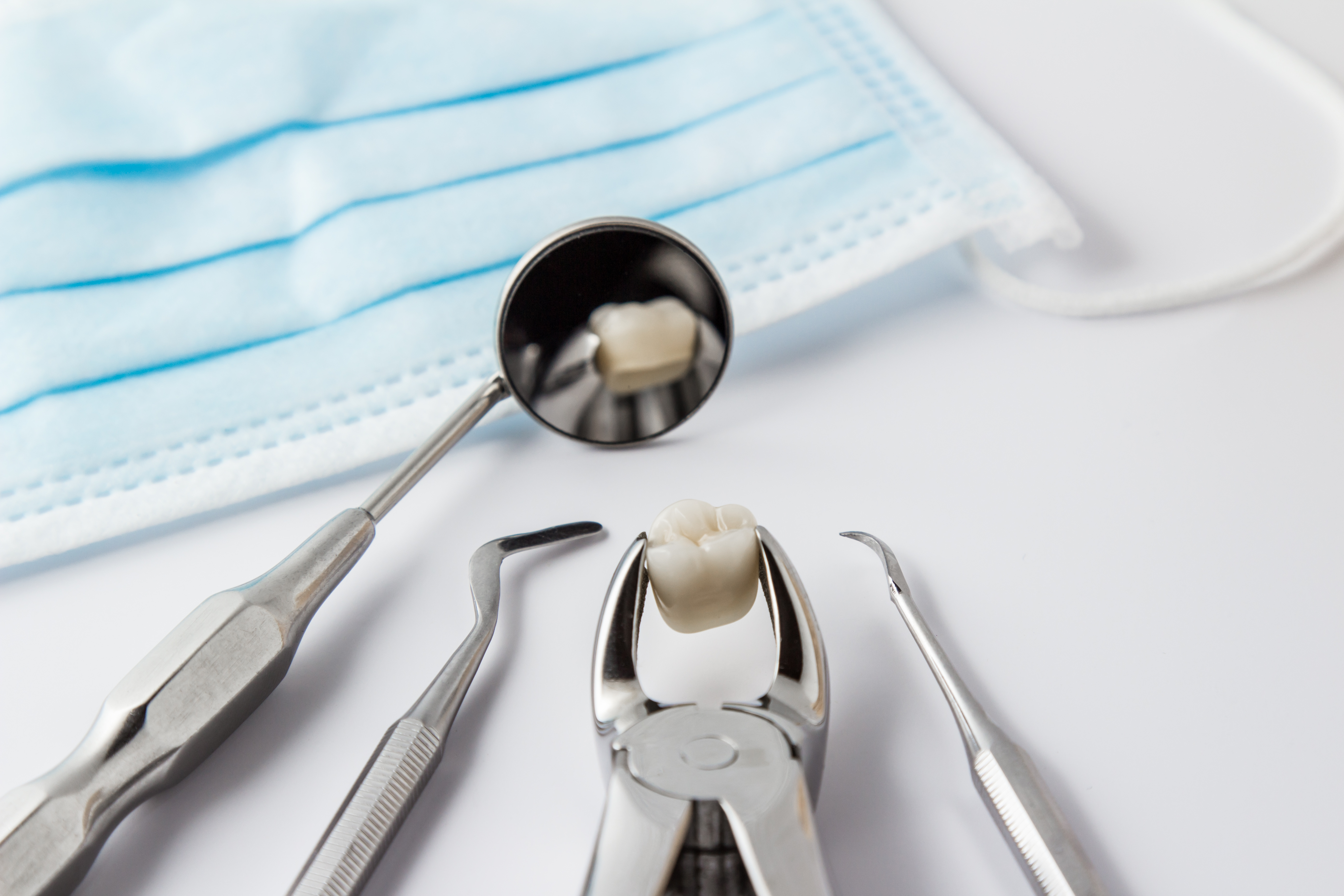
Oral surgery plays a vital role in restoring dental health, preventing complications, and ensuring long-term comfort. Extractions, wisdom tooth removal, bone grafting, and gum contouring are common procedures performed to improve both function and appearance.
Extractions
Extractions may be necessary due to excessive decay, infection, or crowding. Patients undergoing orthodontic treatment may also require extractions to create space for shifting teeth. Individuals preparing for chemotherapy or organ transplants may need compromised teeth removed to maintain overall health.
Extractions are typically quick outpatient procedures performed with local, general, or intravenous anesthesia. A simple extraction removes visible teeth, while surgical extractions are needed for impacted, broken, or below-surface teeth.
Wisdom Tooth Removal
Wisdom teeth (third molars) are the last teeth to develop, usually emerging between ages 16 and 18, and fully forming by age 22–23. X-rays help determine whether wisdom teeth can erupt properly or if they are impacted.
Removal is often easier in younger patients due to softer bone and incomplete root formation, which also allows for quicker healing.
Impacted wisdom teeth can lead to infection, cysts, bone loss, misalignment of adjacent teeth, or resorption of neighboring roots. If cysts are left untreated, they may develop into more serious lesions requiring extensive surgery.
Early removal is recommended before complications occur, as fully developed roots anchor firmly to the bone, increasing surgical difficulty and recovery time.
Most insurance plans cover the removal of impacted wisdom teeth. Our office will help guide you through understanding your benefits.
Bone Grafting
After a tooth is extracted, the jawbone naturally begins to shrink. Within six months, 30–60% of the bone volume can be lost. Socket preservation, also known as alveolar ridge preservation, helps minimize this bone loss.
Bone grafting materials may include:
• Autografts – bone from the patient
• Xenografts – bone or collagen from bovine/porcine sources
• Allografts – donor bone
• Alloplast – synthetic biomaterials such as hydroxyapatite or bioglass
Barrier membranes are placed over the graft to protect it and promote successful bone regeneration. These may be resorbable or non-resorbable depending on the case.
Gum Contouring
Gum contouring reshapes or sculpts gum tissue to create a more balanced and attractive smile. Excess gum tissue can make teeth appear small, while gum recession exposes roots and may indicate periodontal disease.
Gum contouring alone is typically a cosmetic procedure, but it may also be combined with other periodontal treatments such as crown lengthening, pocket reduction surgery, or regenerative procedures.
Genetics, health conditions, or certain medications can cause uneven gum lines. Gum contouring corrects these irregularities and improves both aesthetics and oral function.